
Introduction
Choosing the correct tube structure is a key part of packaging design, especially when product formula stability, shelf life, and external protection are important considerations.
In tube packaging, the most common constructions are 2-layer and 5-layer tubes, each designed for different performance requirements.
What are 5-Layer Tubes?
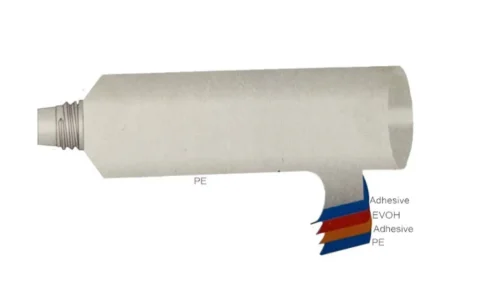
5-layer tubes include an additional EVOH barrier layer, positioned between polyethylene layers and bonded using adhesive layers.
This structure helps protect the formula from oxygen, light, and other external factors that may affect sensitive products over time.
Typical applications include:
- Pharmaceutical and medicinal products
- Sunscreens
- Essential oils
- Formulas sensitive to oxidation or aroma loss
The EVOH barrier plays a critical role in maintaining product integrity throughout its intended shelf life.
What are 2-Layer Tubes?
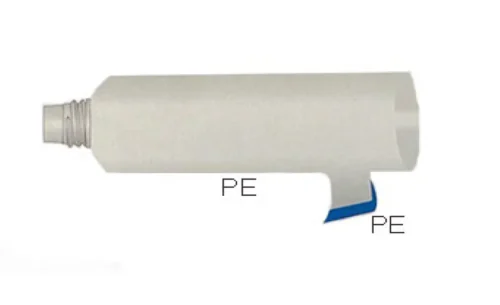
2-layer tubes are made entirely from polyethylene (PE) and are generally used where barrier protection is less critical.
They are well suited to less aggressive formulas and products that do not require enhanced resistance to oxygen or light.
Common applications include:
- Hand creams
- Cleansing creams
- Basic cosmetic formulations
This structure offers a cost-effective and reliable solution where advanced barrier performance is not required.
Why Tube Structure Matters
The number of layers in a tube directly influences:
- Formula compatibility
- Protection against external exposure
- Shelf life expectations
- Long-term product performance
Selecting the correct structure early in the packaging process helps avoid unnecessary reformulation, testing delays, or performance issues later on.
Final Considerations
Tube selection should always be guided by the specific characteristics of the formula, rather than appearance alone.
Where uncertainty exists, reviewing the formula requirements alongside packaging options allows for a more informed and practical decision.